Affiliate Disclosure: MomBabyPicks.com participates in the Amazon Services LLC Associates Program. When you purchase through links on this page, we may earn a small commission at no additional cost to you. Our editorial recommendations are based on product research and are not influenced by affiliate relationships.
Introduction
Pace bottle feeding is a feeding technique designed to mimic the experience of breastfeeding when giving a bottle. It’s particularly valuable for breastfed babies being introduced to a bottle — but it benefits all bottle-fed newborns by reducing overfeeding, gas, and the frantic gulping that comes from unrestricted milk flow.
If you’ve been told your breastfed baby “prefers the bottle” after taking one well — that’s often a flow-rate problem, not a preference problem. Pace feeding addresses the root cause.
This guide explains the technique in full, which bottles work best for pace feeding, and how to teach caregivers the approach.
For context on bottle introduction, see our bottle refusal guide for breastfed babies and the best baby bottles for newborns.
What Is Pace Bottle Feeding?
Pace bottle feeding is a technique where the caregiver controls the flow of milk from the bottle so that baby actively controls how much and how fast they eat — rather than milk flowing freely into their mouth from gravity.
At the breast, milk doesn’t flow unless baby is actively sucking with the right jaw motion. The breast also doesn’t deliver a continuous stream — it delivers in bursts, with pauses built in. Standard bottle feeding does none of this: tip the bottle, gravity flows milk. The baby swallows to keep up rather than to satisfy hunger.
Pace feeding recreates the baby-controlled dynamic of breastfeeding.
Why It Matters
Prevents overfeeding: A bottle-fed baby who isn’t pace-fed often takes 30–50% more milk per feeding than they need. Fullness signals take 15–20 minutes to reach the brain. Without pacing, baby has consumed excess milk before those signals register.
Reduces gas and spit-up: Slower, more controlled feeding means less air ingestion and less gulping. This reduces gas pain and spit-up volume significantly for many babies.
Maintains breastfeeding preference: If breastfed babies discover the bottle gives milk faster with less effort, they may begin refusing the breast. Pace feeding keeps the effort level roughly equal.
Transfers to caregivers: Pace feeding is easy to teach to partners, grandparents, and childcare providers — and ensures consistent feeding across different caregivers.
How to Pace Bottle Feed: Step by Step
Step 1: Choose the Right Bottle and Nipple
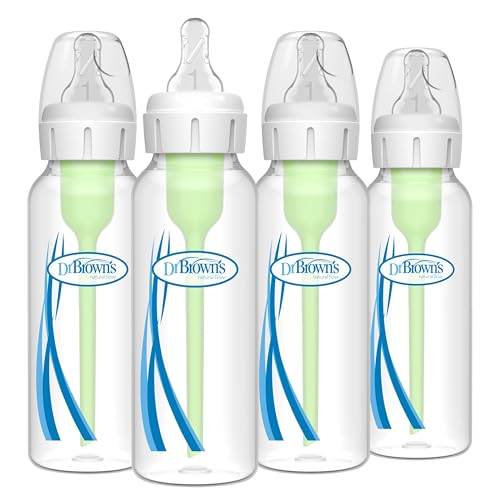
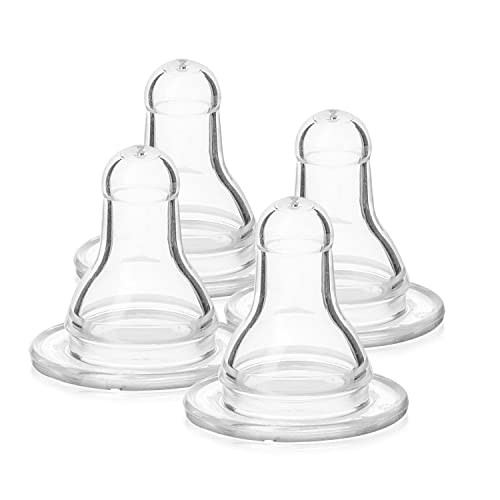
Use a slow-flow nipple (Level 1 or labeled “0” or “S”) regardless of baby’s age. The goal is active sucking effort. Wide-base nipples that require a broader latch (like the Comotomo or Philips Avent Natural Response) work particularly well.

Step 2: Position Baby Upright
Hold baby in a semi-upright position (at least 45 degrees, ideally more upright for older babies). Avoid the reclined cradle hold used in traditional bottle feeding — it relies on gravity to flow milk rather than baby’s active sucking.
Step 3: Hold the Bottle Horizontal
Hold the bottle nearly horizontal — parallel to the floor, or with just a slight downward tilt. In this position, milk doesn’t flow freely into the nipple. Baby must actively suck to draw milk up into the nipple.
You can see this working: when baby isn’t actively sucking, the nipple should be mostly empty of milk. When baby sucks, milk flows in.
Step 4: Let Baby Lead the Latch
Touch the bottle nipple to baby’s lips and wait for them to open and latch — don’t push the nipple into their mouth. This mimics the behavior at the breast and maintains baby’s active feeding instinct.
Step 5: Pause Every 20–30 Swallows
After 20–30 swallows, tip the bottle down so the nipple is empty of milk (or remove the bottle briefly). Watch baby’s cues — if they’re still hungry, they’ll actively root or suck. If they’re pausing and looking around, they may need a moment to process fullness.
This pause-and-check is the most important part of pace feeding. It gives fullness signals time to catch up with intake.
Step 6: Watch for Fullness Cues
Stop feeding when baby shows: slowing or stopping sucking, turning head away, releasing the nipple, falling asleep, or relaxed hands and body. Don’t try to finish the bottle if baby stops — this is the key difference from traditional bottle feeding where “finishing the bottle” becomes a goal.
Which Bottles Work Best for Pace Feeding
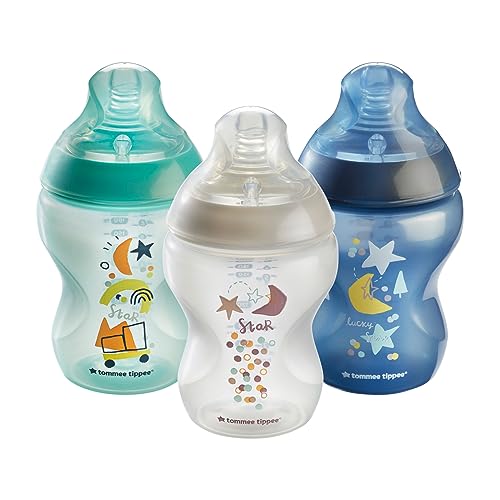
| Bottle | Nipple Type | Why It Works for Pace Feeding |
|---|---|---|
| Comotomo Natural Feel | Wide, soft silicone | Breast-like latch, slow flow option |
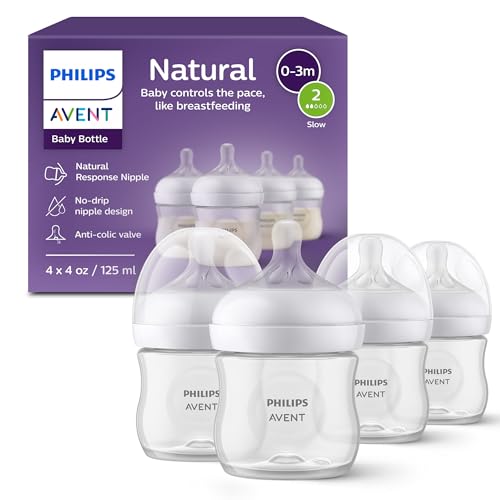
| Philips Avent Natural Response | Wide with active valve | Milk only flows when baby sucks |
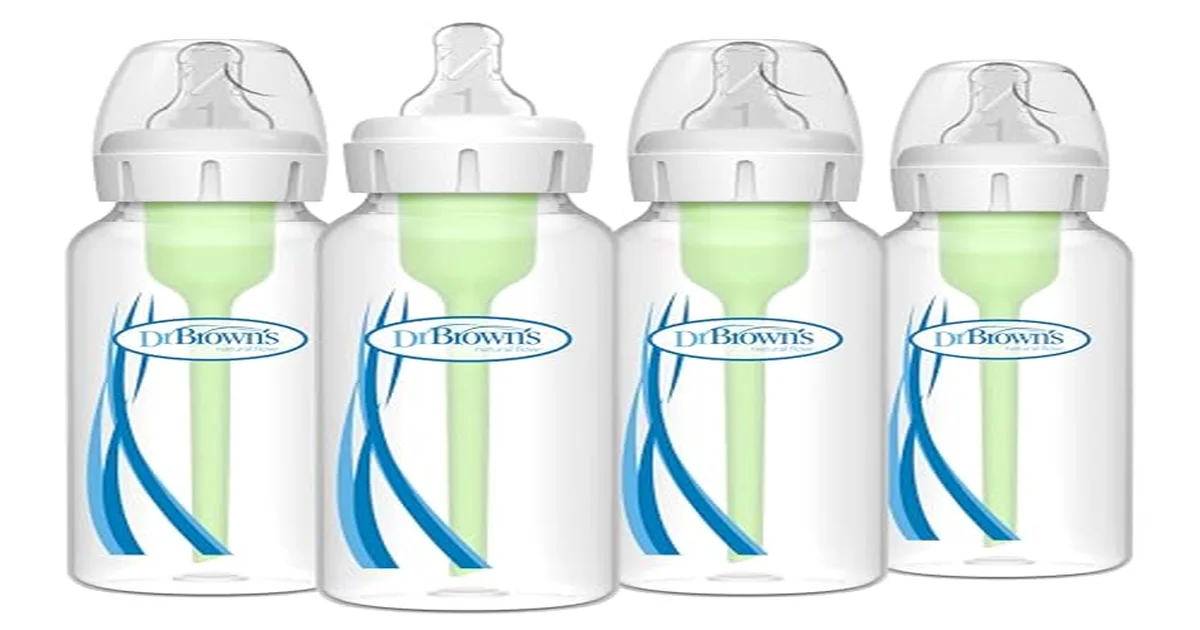
| Dr. Brown’s Options+ | Traditional with vent | Consistent slow flow, easy to hold horizontal |
| Nanobébé Flexy | Soft silicone curve | Upright design suits pace feeding posture |
Teaching Pace Feeding to Caregivers
Give any caregiver who will bottle-feed your baby a simple brief:
- Hold baby upright, not reclined
- Hold bottle horizontal — almost flat
- Let baby latch without pushing the nipple in
- Pause every 20–30 swallows, tip bottle down
- Stop when baby shows any fullness signal — don’t finish the bottle
A one-page written note is useful for daycare providers. Most caregivers adapt quickly once they understand the purpose.
Frequently Asked Questions
How long does a pace-fed feeding session take? Typically 15–20 minutes, compared to 5–10 minutes for traditional bottle feeding. This is intentional — it brings the timing in line with breastfeeding sessions and allows fullness signals to register.
Can I pace feed with formula? Yes. Pace feeding benefits all newborns, not just breastfed babies. It reduces overfeeding and gas regardless of whether baby is receiving breast milk or formula.
What bottle size should I use for pace feeding? Use the smallest size appropriate for the feeding volume — typically 4 oz bottles for newborns. Smaller bottles make it easier to hold horizontal and prevent the psychology of “finishing the bottle.”
At what age can I stop pace feeding? Many parents continue pace feeding throughout the bottle-feeding period. As baby gains more feeding maturity (typically 4–6 months), they naturally regulate better. Follow baby’s cues — if they’re managing fullness well and not overeating, you can relax the technique. Return to it if spit-up or fussiness increases.
Should I also use a pacifier between feedings? Non-nutritive sucking (pacifier use) is compatible with pace feeding and can help babies satisfy sucking needs between feedings without taking excess milk. Introduce after breastfeeding is established (typically 4–6 weeks).
For more on building your feeding setup, see our newborn feeding essentials guide and our full best baby bottles for newborns comparison.
Affiliate Disclosure: MomBabyPicks.com participates in the Amazon Services LLC Associates Program. When you purchase through links on this page, we may earn a small commission at no additional cost to you. Our editorial recommendations are based on product research and are not influenced by affiliate relationships.