Affiliate Disclosure: MomBabyPicks.com participates in the Amazon Services LLC Associates Program. When you purchase through links on this page, we may earn a small commission at no additional cost to you. Our editorial recommendations are based on product research and are not influenced by affiliate relationships.

Silicone Baby Bottles
Check Price on Amazon →Introduction
Silicone has largely replaced plastic in premium baby feeding products — and for good reason. Food-grade silicone is stable at high and low temperatures, free of BPA and phthalates, doesn’t absorb odors or stains, and is dishwasher-safe. It’s the closest thing to a safe, durable, and practical feeding material available for babies.
But not all silicone is equal. “Silicone” on a label doesn’t guarantee food-grade quality, and some cheaper products blend silicone with plastic fillers that compromise those properties. This guide covers what to look for, which products are worth buying, and which silicone items to prioritize for your baby.
For more on safe feeding materials, see our eco-friendly baby gear guide and the best baby bottles for newborns.
What Is Food-Grade Silicone?
Food-grade silicone (also called platinum-cured silicone) is made by curing liquid silicone with a platinum catalyst. It produces a stable, inert polymer that doesn’t react with food, doesn’t leach chemicals, and is safe for repeated heating and cooling.
The simple test: pinch and twist a silicone product. If it turns white at the twist point, it likely contains plastic fillers. Pure food-grade silicone doesn’t change color under this stress.
Food-grade silicone is:
- BPA-free, BPS-free, phthalate-free
- Stable from -40°F to 446°F (-40°C to 230°C)
- Dishwasher and microwave safe
- Odor and stain resistant
- Non-porous (doesn’t absorb bacteria)
Which Silicone Baby Products Are Worth Buying
1. Silicone Baby Bottles — Comotomo Natural Feel
The Comotomo is one of the few bottles made entirely from food-grade silicone — not a silicone nipple on a plastic bottle body. The soft, wide body feels closer to breast tissue than any hard-sided bottle, which is why breastfed babies are more likely to accept it. Available in 5 oz and 8 oz.
2. Silicone Bibs — EZPZ Mini Mat
The EZPZ Mini Mat is a combined silicone plate and bib. It suctions to the table surface — strong enough that most babies can’t easily pull it off — and the plate portion is food-grade silicone safe for temperatures from fridge to microwave. The bib wraps around the front catch pocket. Dishwasher safe. Suitable from about 4 months through toddlerhood.

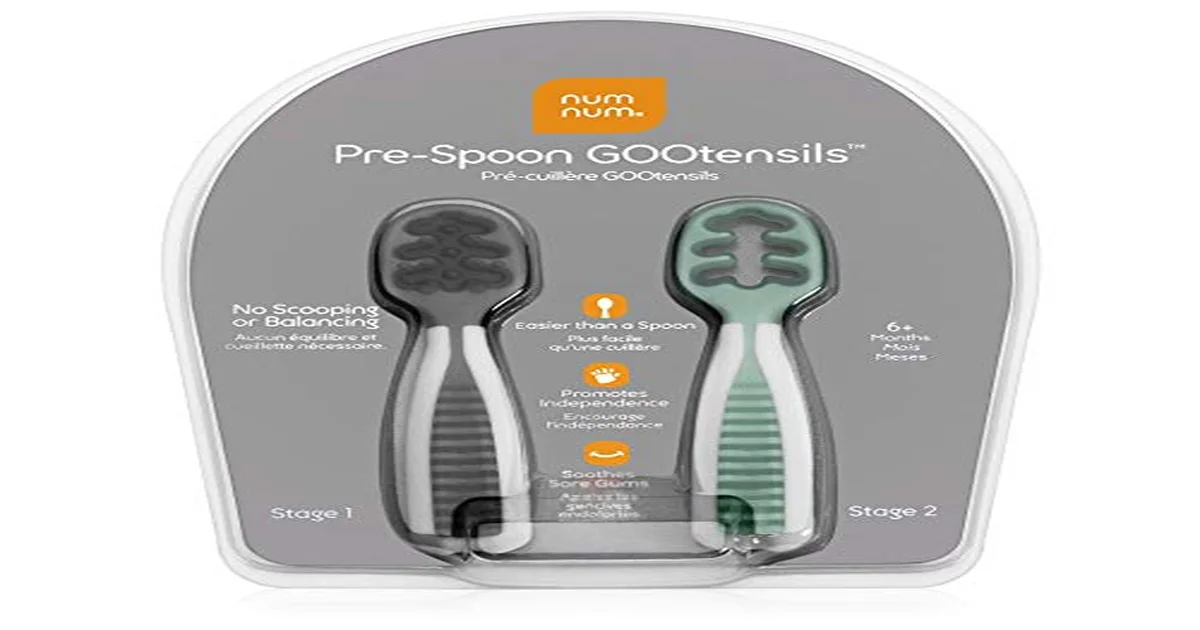
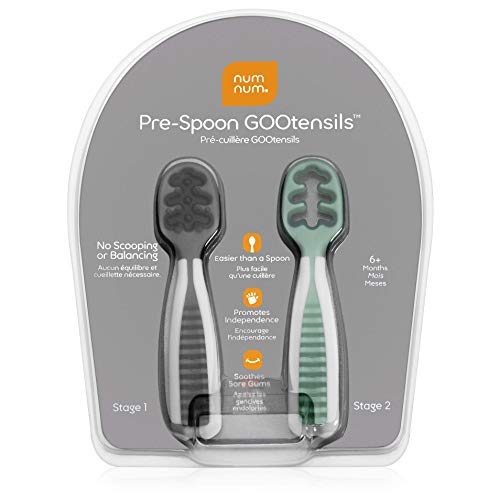
3. Silicone Spoons — NumNum Pre-Spoon GOOtensils
The NumNum Pre-Spoon is designed for the early stages of solid foods when babies can’t yet load a spoon themselves. The flat silicone dipper lets babies self-feed goopy purees by dipping rather than scooping. Food-grade silicone, dishwasher safe, no choking-risk handle length.
4. Silicone Teethers — Oli & Carol Natursutten Teether
Natursutten teethers are made from 100% natural rubber (a similar but distinct material to silicone — also non-toxic and plant-based). For babies who prefer the softer feel of natural rubber over firmer silicone, this is the alternative. For full silicone teethers, Green Sprouts makes widely reviewed options at accessible prices.

5. Silicone Straw Cups — Munchkin Miracle 360 Trainer Cup
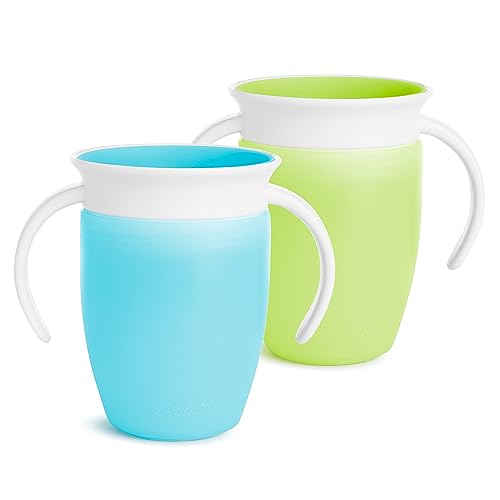
The Munchkin 360 cup uses a silicone drinking edge that lets babies drink from any point around the rim, similar to drinking from an open cup without the spill risk. The silicone valve provides the spill-proof seal. BPA-free, dishwasher safe, suitable from 6+ months.
Comparison Table
| Product | Material | Key Benefit | Suitable From |
|---|---|---|---|
| Comotomo Bottle | Food-grade silicone | Breast-like feel, no plastic | Newborn (0+) |
| EZPZ Mini Mat | Food-grade silicone | Suctions to table, combined bib/plate | 4 months+ |
| NumNum Pre-Spoon | Food-grade silicone | Self-feeding for early solids | 4 months+ |
| Natursutten Teether | Natural rubber | Softer than silicone | 3 months+ |
| Munchkin 360 Cup | BPA-free plastic + silicone valve | 360-degree drinking edge | 6 months+ |
How to Spot Inferior Silicone Products
Watch for these red flags:
The pinch-and-twist test fails: Twist the silicone firmly. Whitening at the stress point = plastic fillers present.
Vague “silicone” labeling: Legitimate food-grade silicone products typically say “food-grade silicone,” “platinum-cured silicone,” or specifically state BPA/BPS/phthalate-free. “Silicone” alone isn’t enough.
Very low price for silicone products: True food-grade silicone costs more to produce than standard plastic. Extremely cheap “silicone” bibs or products are often blended with cheaper materials.
Strong smell: Food-grade silicone has very little odor. A strong plastic or chemical smell from a product labeled silicone suggests fillers.
Frequently Asked Questions
Is silicone better than glass for baby bottles? Both are good choices. Glass is heavier and breakable; silicone is lighter and flexible. Glass is easier to verify as truly inert. Silicone is generally safer to drop. For most parents, food-grade silicone bottles offer the best balance of safety and practicality.
Can silicone baby products go in the dishwasher? Yes. Food-grade silicone is dishwasher-safe and doesn’t degrade with repeated dishwasher cycles the way some plastics do. It’s one of silicone’s strongest practical advantages.
How long do silicone baby products last? Food-grade silicone is highly durable. Bottles and spoons typically last as long as you need them. Check for any tearing, biting damage (especially on teethers), or color changes that might indicate degradation, and replace if you see these signs.
At what age can babies use silicone products? Depends on the product. Silicone bottles can be used from birth. Silicone teethers from about 3 months. Silicone bibs and plate systems from about 4–6 months when solids begin. Silicone straw cups from around 6 months.
Affiliate Disclosure: MomBabyPicks.com participates in the Amazon Services LLC Associates Program. When you purchase through links on this page, we may earn a small commission at no additional cost to you. Our editorial recommendations are based on product research and are not influenced by affiliate relationships.