
Affiliate Disclosure: MomBabyPicks.com participates in the Amazon Services LLC Associates Program. When you purchase through links on this page, we may earn a small commission at no additional cost to you. Our editorial recommendations are based on product research and are not influenced by affiliate relationships.
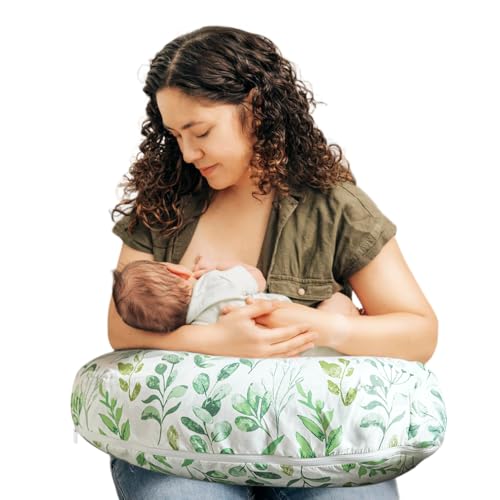
Nursing Pillow
Check Price on Amazon →Introduction
Feeding a newborn takes up roughly 8–12 sessions per day in the first weeks. That’s a significant portion of your waking life. Having the right gear doesn’t make feeding easy — nothing does — but having the wrong gear at 2 a.m. when you’re both exhausted makes a hard thing harder.
This guide covers what you actually need for the newborn feeding stage (0–3 months), whether you’re breastfeeding, bottle-feeding, or doing both. We’ve left out the non-essentials; see our guide on what NOT to buy for a newborn for things to skip.
For the bottle-feeding side specifically, see our best baby bottles for newborns guide.
What You Need for Breastfeeding
1. Nursing Pillow — Boppy Original
A nursing pillow is the single item that most breastfeeding parents say they couldn’t have lived without. The Boppy Original is the most widely used and reviewed. It wraps around your waist to bring baby up to breast height, reducing strain on your arms, shoulders, and back during the 8–12 daily feeding sessions of the newborn stage.
The Boppy cover is machine-washable. The pillow is also useful for supported tummy time later. JPMA certified.
2. Nursing Bras (2–4)
Standard underwire bras are incompatible with breastfeeding and can cause blocked ducts. You need 2–4 soft, wireless nursing bras with easy-open clasps. Buy in your third-trimester size — breasts fluctuate significantly in the first weeks postpartum, so fit the bra when milk comes in before buying more.
3. Breast Pads (Disposable or Reusable)
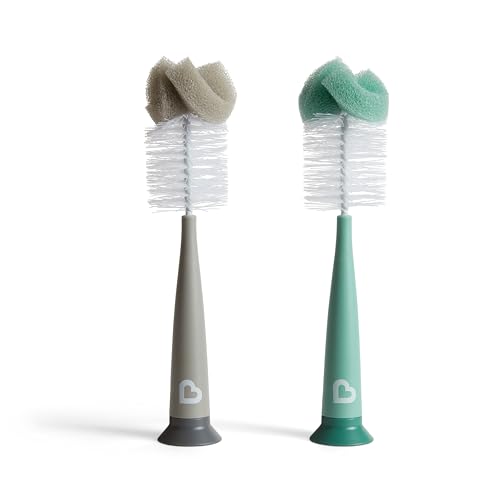
Leaking is universal in early breastfeeding. Breast pads sit inside your bra and absorb leakage. Disposable pads (Lansinoh are widely rated) are convenient early on. Reusable organic cotton pads are more economical if you’re planning to breastfeed long-term. See our breastfeeding essentials guide for more.
4. Nipple Cream — Lansinoh HPA Lanolin
Nipple pain in the first 2–4 weeks is nearly universal as breastfeeding establishes. HPA lanolin is safe for baby (doesn’t need to be wiped off before feeding), non-toxic, and highly effective for sore, cracked nipples. Apply after every feeding.

What You Need for Bottle Feeding
5. Bottles (3–6)
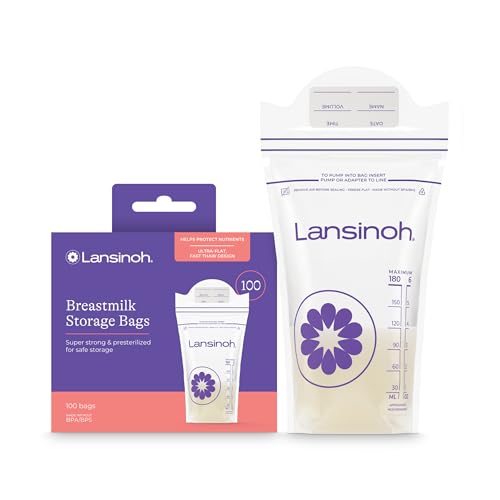
Start with 3–4 bottles; don’t buy a full set of one brand until you know your baby accepts it. For breastfed babies, see our bottle refusal guide for which bottles work best. For formula-fed babies, most bottles work — start with slow-flow nipples and move up only when baby consistently pulls off or takes very long to finish.
6. Bottle Brush
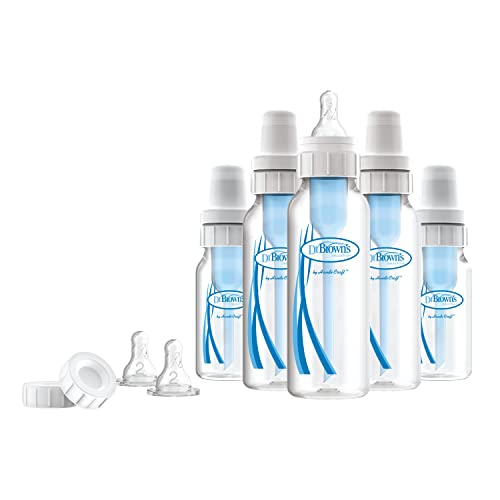
You need a dedicated bottle brush — regular dish brushes don’t reach the bottom of narrow-neck bottles. The OXO Tot Bottle Brush is the standard recommendation: long handle, firm bristles, nipple-cleaning brush on the cap.
7. Bottle Warmer (Optional)
Not essential, but useful. Refrigerated breast milk or formula from the fridge is too cold for most newborns. A bottle warmer heats consistently without hot spots. See our best bottle warmers guide for recommendations.
What Everyone Needs
8. Burp Cloths (8–12)
You will go through more burp cloths than you think. Minimum 8; better to have 12. Look for burp cloths large enough to drape over your shoulder with enough coverage to actually protect your clothing. Muslin or thick cloth diapers used as burp cloths outperform thin “decorative” burp cloths.
9. Haakaa or Silicone Manual Pump (for breastfeeding)
The Haakaa catches letdown from the breast you’re not feeding from while baby nurses. This passively collects milk that would otherwise be absorbed by a breast pad. Over 2–3 weeks, a meaningful freezer supply builds up without any pumping effort. Inexpensive and used by most breastfeeding parents.
Comparison Table
| Item | Essential? | Who Needs It | Approx. Cost |
|---|---|---|---|
| Nursing pillow | Yes (breastfeeding) | Breastfeeding parents | $30–50 |
| Nursing bras (2–4) | Yes (breastfeeding) | Breastfeeding parents | $15–30 each |
| Breast pads | Yes (breastfeeding) | Breastfeeding parents | $8–15 |
| Nipple cream | Yes (breastfeeding) | Breastfeeding parents | $10–15 |
| Bottles (3–4 starter) | Yes (bottle feeding) | All bottle-feeding parents | $18–30 |
| Bottle brush | Yes (bottle feeding) | All bottle-feeding parents | $8–12 |
| Bottle warmer | Optional | Bottle-feeding parents | $20–55 |
| Burp cloths (8–12) | Yes | Everyone | $15–25 |
| Haakaa/silicone pump | Optional but recommended | Breastfeeding parents | $12–20 |
What You Don’t Need Right Away
- A full electric breast pump: Most insurance plans cover one — check your coverage before buying. You may not need it in the first 2 weeks anyway.
- Specialty formula dispensers: A basic formula pitcher and measuring scoop is all you need.
- Baby food makers, blenders: Not relevant until 4–6 months.
- Nursing covers: Useful for some parents; unnecessary for others. Don’t buy before you know your preference.
Frequently Asked Questions
How many bottles do I need for a newborn? Start with 3–4 bottles of one brand. Don’t buy a full set until you know your baby accepts the bottle and nipple. If you’re combining breast and bottle, you may never need more than 4–6 at a time.
Do I need to sterilize bottles before every use? Sterilization before first use is recommended. For ongoing cleaning, thorough washing with hot soapy water and a bottle brush is sufficient for healthy full-term newborns. Parents of premature infants or immunocompromised babies should follow pediatrician guidance on sterilization frequency.
What is a “slow flow” nipple and why does it matter? Slow-flow nipples (labeled S, 0, or Level 1 depending on brand) have smaller openings that require more suction effort to draw milk. Newborns should always start with slow-flow nipples — faster flow can cause choking, gas, and overfeeding before baby has learned to pace themselves.
Can I use a nursing pillow from day one? Yes. Most nursing pillows are suitable from birth. They’re designed to work from the earliest days of breastfeeding. Some parents also use them as a supported surface during skin-to-skin time.
Affiliate Disclosure: MomBabyPicks.com participates in the Amazon Services LLC Associates Program. When you purchase through links on this page, we may earn a small commission at no additional cost to you. Our editorial recommendations are based on product research and are not influenced by affiliate relationships.