Affiliate Disclosure: MomBabyPicks.com participates in the Amazon Services LLC Associates Program. When you purchase through links on this page, we may earn a small commission at no additional cost to you. Our editorial recommendations are based on product research and are not influenced by affiliate relationships.

Newton Baby Crib Mattress
Check Price on Amazon →Introduction
The baby product market is full of “eco-friendly” claims. Organic, natural, green, sustainable, non-toxic — these terms appear on everything from diapers to high chairs, but they’re not regulated consistently, and some claims mean more than others.
This guide cuts through the marketing language and focuses on two things: which certifications actually mean something, and which categories of baby gear are worth prioritizing for safer, more sustainable materials.
Not everything needs to be organic. We’ll tell you where it matters most.
For more on building a safe baby setup, see our newborn essentials checklist and our guide on silicone baby feeding products.
Certifications That Actually Mean Something
GREENGUARD Gold: Tests for chemical emissions (VOCs) from furniture, flooring, and products used in indoor spaces. More stringent than standard GREENGUARD. Worth looking for on cribs, high chairs, and changing tables.
GOTS (Global Organic Textile Standard): Covers organic fiber production and processing of textiles — meaning the entire supply chain, not just the final product. Look for this on clothing, bedding, and swaddles.
OEKO-TEX Standard 100: Tests finished textile products for harmful substances. Less comprehensive than GOTS but widely applicable. Covers dyes, finishes, and thread as well as fiber.
USDA Organic: Applies to agricultural products — relevant for organic cotton, but the certification doesn’t cover processing. A product can be USDA Organic cotton but treated with non-organic dyes.
FSC (Forest Stewardship Council): Applies to wood products. FSC certification means wood was harvested from responsibly managed forests. Worth looking for on wooden toys and furniture.
Where Eco-Friendly Materials Matter Most
High Priority — Closest to Baby’s Skin or Mouth
Sleep surfaces: Babies spend 12–16 hours a day in their crib or bassinet. Crib mattresses made with conventional foam often contain volatile organic compounds. Look for GREENGUARD Gold certified mattresses and GOTS or OEKO-TEX certified crib sheets.
Feeding gear: Bottles, pacifiers, and teethers go directly in baby’s mouth. Food-grade silicone, glass, and stainless steel are the safest materials. Avoid products with BPA, BPS, phthalates, or PVC. All reputable modern baby bottles are BPA-free, but food-grade silicone is a step further. See our silicone baby feeding products guide for specific recommendations.
Clothing and swaddles: These are in constant contact with newborn skin. GOTS-certified organic cotton or OEKO-TEX certified fabric reduces exposure to processing chemicals. This matters more for items worn next to skin all day than outerwear.
Medium Priority — Regular Contact
Play mats and activity mats: Babies spend a lot of time on these and mouth them. Look for mats made from non-toxic foam (certified free of formamide), natural rubber, or OEKO-TEX certified fabric.
High chairs: Hard plastic surfaces leach less than soft plastic. GREENGUARD Gold certified wood high chairs (like the Stokke Tripp Trapp) are the cleanest option. Our high chairs guide covers the Tripp Trapp.
Lower Priority — Less Direct Contact
Strollers: Stroller frames are typically powder-coated metal or hard plastic with minimal skin contact. The fabrics are more relevant — look for OEKO-TEX certified textiles where possible. This is a lower-priority category.
Recommended Eco-Friendly Products
1. Newton Baby Crib Mattress — Best Organic Sleep Surface
The Newton Baby Crib Mattress is GREENGUARD Gold certified and uses a proprietary Wovenaire core (food-grade polymer) that is 90% air. It’s machine-washable (the entire mattress), completely free of memory foam and latex, and designed to be breathable for infant safety. No fiberglass, no harmful flame retardants.
2. Comotomo Silicone Baby Bottle — Best for Non-Toxic Feeding
The Comotomo is made from 100% food-grade silicone — no plastic body, no BPA, no BPS. The wide soft body is also the closest thing to breast feel available in a bottle. See our baby bottles guide for more context.

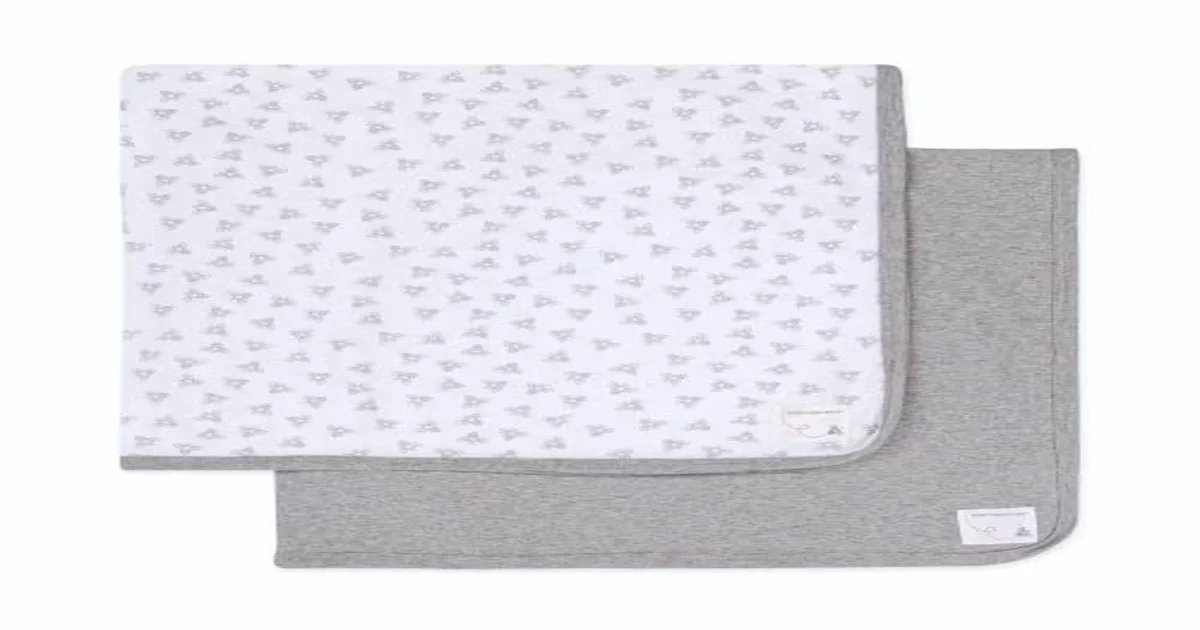
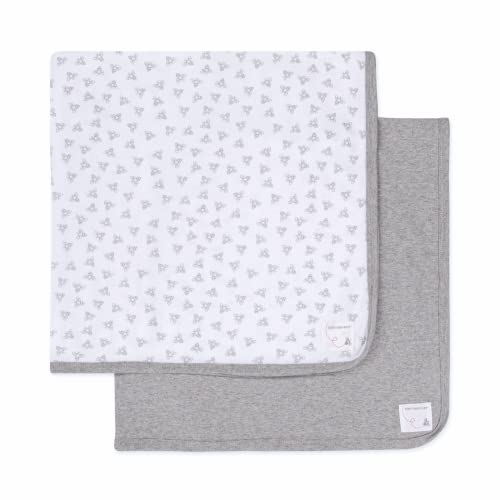
3. Burt’s Bees Baby GOTS-Certified Swaddle Blankets
Burt’s Bees Baby is one of the more accessible brands offering GOTS-certified organic cotton products. Their muslin swaddle blankets are soft, widely available, and carry the full GOTS certification — not just “made with organic cotton.” Good for parents who want certified textiles without paying premium boutique prices.
4. Green Sprouts Silicone Teether Set
Green Sprouts makes food-grade silicone teethers that are BPA-free, phthalate-free, and PVC-free. Their products are widely reviewed, have consistent safety records, and are available at accessible price points. A good starting teether set for parents prioritizing non-toxic materials.
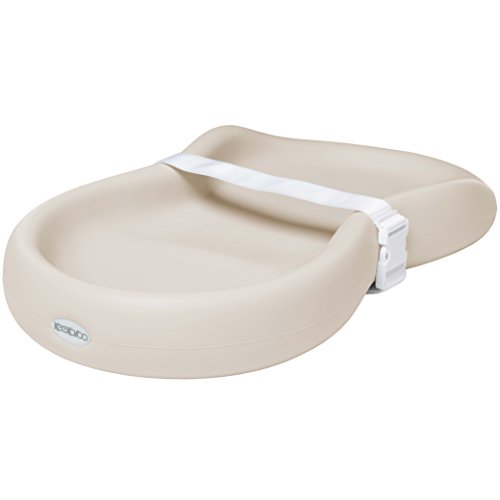
5. Naturepedic Organic Cotton Changing Pad Cover
The Naturepedic changing pad cover uses GOTS-certified organic cotton. Changing pads are in close contact with baby skin during multiple diaper changes per day — upgrading the cover to organic cotton is a simple, affordable swap. Naturepedic is a well-established name in the organic baby bedding space.
Comparison Table
| Product | Material | Key Certification | Category |
|---|---|---|---|
| Newton Baby Crib Mattress | Wovenaire polymer (food-grade) | GREENGUARD Gold | Sleep |
| Comotomo Bottle | Food-grade silicone | BPA/BPS-free | Feeding |
| Burt’s Bees Swaddles | Organic cotton muslin | GOTS | Clothing/textiles |
| Green Sprouts Teethers | Food-grade silicone | BPA/phthalate-free | Teething |
| Naturepedic Changing Pad Cover | Organic cotton | GOTS | Diapering |
Frequently Asked Questions
Does “BPA-free” mean a product is safe? BPA-free means the product doesn’t contain bisphenol-A specifically, but BPS and other bisphenol variants may still be present and have similar concerns. Food-grade silicone, glass, and stainless steel avoid this entire category of concern. For feeding products, look beyond just “BPA-free.”
Is organic cotton actually better for babies? For items in direct, prolonged skin contact (clothing worn all day, crib sheets), GOTS-certified organic cotton reduces exposure to pesticide residues and processing chemicals. Whether this makes a measurable health difference is debated, but the precautionary principle supports choosing it when cost is manageable.
Are “natural” or “plant-based” claims regulated? No. “Natural” and “plant-based” are unregulated marketing terms. A product can claim to be natural while containing synthetic processing chemicals. Look for third-party certifications (GOTS, OEKO-TEX, GREENGUARD Gold) rather than relying on label claims.
Are cloth diapers actually more eco-friendly than disposables? The research is mixed. Cloth diapers have lower landfill impact but higher water and energy use over their lifetime. The environmental comparison depends heavily on local water scarcity, electricity source, and how many children use the same diapers. It’s not a clear-cut win either way.
Affiliate Disclosure: MomBabyPicks.com participates in the Amazon Services LLC Associates Program. When you purchase through links on this page, we may earn a small commission at no additional cost to you. Our editorial recommendations are based on product research and are not influenced by affiliate relationships.