Affiliate Disclosure: MomBabyPicks.com participates in the Amazon Services LLC Associates Program. When you purchase through links on this page, we may earn a small commission at no additional cost to you. Our editorial recommendations are based on product research and are not influenced by affiliate relationships.

Comotomo Natural Feel Baby Bottle
Check Price on Amazon →Introduction
Bottle refusal is one of the most stressful things that can happen to a breastfeeding parent. You need to return to work, or you need your partner to be able to feed the baby, or you simply need a break — and your baby will not take a bottle. Full stop.
This is extremely common and rarely has a simple fix. But it does have solutions, and most babies do eventually accept a bottle with the right approach and the right equipment.
This guide covers why bottle refusal happens, which bottles are most likely to succeed with breastfed babies, and the specific techniques that actually work based on patterns from parents who’ve navigated this.
For more on the feeding transition, see our guide to pace bottle feeding and the best baby bottles for newborns.
Why Breastfed Babies Refuse Bottles
Bottle refusal almost always comes down to one or more of these factors:
Nipple confusion (or nipple preference): Breastfed babies are accustomed to the feel of the breast — soft, warm, wide areola, milk that flows in response to suction and jaw movement. Many bottle nipples feel nothing like this. Narrow silicone nipples with fast flow are the most common culprits.
Flow rate mismatch: Breastfed babies are used to working for their milk. Many standard bottle nipples have faster flow than the breast, which can overwhelm or frustrate a baby who’s used to a slower pace. Pace feeding technique (see below) addresses this.
Introduction timing: Babies introduced to bottles too early (before breastfeeding is established) or too late (after 8–10 weeks when nipple preference solidifies) have higher refusal rates. The sweet spot is generally 4–6 weeks, though this varies.
Scent and temperature: Babies recognize the smell of their breastfeeding parent. When someone else offers the bottle — or when the breast parent offers the bottle while holding the baby — the baby smells milk and wants the real thing, not a substitute.
Which Bottles Work Best for Breastfed Babies
1. Comotomo Natural Feel Baby Bottle
The Comotomo is frequently the bottle that works when others fail. Its wide, soft silicone base mimics the feel of the breast more closely than traditional bottles. The nipple has a wide base that requires a broad latch similar to breastfeeding. Dual vents reduce air ingestion. It comes in 5 oz and 8 oz sizes.
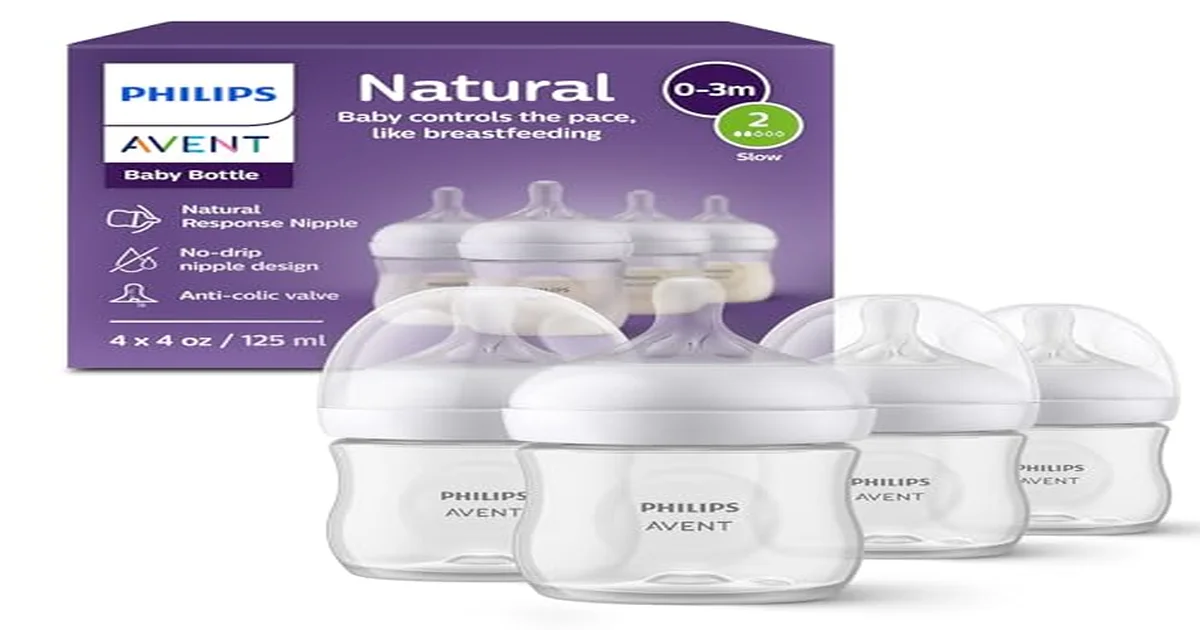
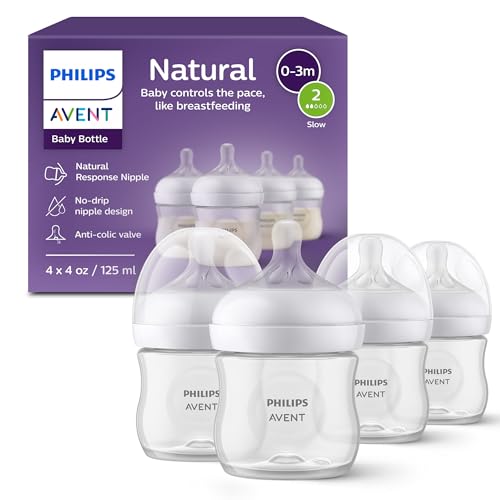
2. Philips Avent Natural Response
The Avent Natural Response nipple uses a valve that only releases milk when baby actively sucks — mimicking the breast’s behavior and encouraging babies to control flow. The wide nipple base supports a broader latch. It’s easy to clean, with fewer parts than anti-colic designs.
3. Nanobébé Flexy Silicone Bottle
The Nanobébé Flexy is made from a single piece of soft silicone and has a breast-shaped curve designed to encourage a natural latch. The wide nipple base is firm enough to hold a latch but soft enough to feel familiar. Good option for babies who reject hard plastic bottles.

Comparison Table
| Bottle | Nipple Type | Latch Style | Anti-Colic | Best For |
|---|---|---|---|---|
| Comotomo | Wide, soft silicone | Breast-like | Yes (dual vents) | First-time bottle refusers |
| Philips Avent Natural Response | Wide with valve | Breast-like | Yes (AirFlex) | Slow-flow preference |
| Nanobébé Flexy | Soft silicone curve | Breast-like | Partial | Hard plastic refusers |
Techniques That Help
Have someone else offer the bottle. This is the most reliable first step. Breastfeeding parents should leave the room — even the house if possible. The baby can smell you and will hold out for the real thing.
Offer when calm, not hungry. A very hungry baby is an upset baby. Try offering the bottle 30–60 minutes after a nursing session, when baby is awake, calm, and curious — not ravenous and frustrated.
Warm the nipple. Run the nipple under warm water before offering. Cold silicone feels nothing like the breast. Warming it to body temperature narrows the sensory gap.
Try pace feeding. Hold baby in a more upright position (45 degrees rather than horizontal). Hold the bottle horizontal so milk doesn’t free-flow. Let baby set the pace — pause every few swallows and tip the bottle down so they have to ask for more milk by sucking. See our pace bottle feeding guide for full instructions.
Try different positions. Some babies accept the bottle more readily in a bouncers or swing than being held. Some prefer to not face the person feeding them. Others want to be held in the exact position used for nursing.
Be consistent. Offer the bottle once a day, every day. Missing days resets progress. If it’s not working after 2–3 weeks, try a different bottle before giving up.
When to Seek Help
If your baby is refusing all feeding for more than 24 hours, losing weight, or showing signs of dehydration (fewer than 4 wet diapers in 24 hours), contact your pediatrician. This is beyond normal bottle refusal and needs medical attention.
A lactation consultant (IBCLC) can also help with bottle introduction strategies and assess whether there’s an underlying latch or oral function issue contributing to the refusal.
Frequently Asked Questions
At what age should I introduce a bottle to a breastfed baby? Most lactation consultants recommend waiting until breastfeeding is well-established — typically around 4–6 weeks. Introducing too early can interfere with establishing supply and latch. Waiting much beyond 8–10 weeks increases the risk of bottle refusal as nipple preference solidifies.
How many attempts before giving up on a specific bottle? Give each bottle design at least 1–2 weeks of daily attempts before switching. Switching too frequently can confuse the process. If a bottle is definitively not working after 2 weeks, try one of the breast-mimicking designs listed above.
Can I mix breast milk and formula in a bottle? Yes. Mixing breast milk and formula in the same bottle is safe. Some parents use this approach to extend breast milk supply while supplementing — the taste difference may also help babies who reject the smell or taste of formula alone.
Will bottle feeding affect my milk supply? Introducing one bottle feeding per day typically doesn’t affect supply if you’re replacing missed feedings with pumping sessions. Always pump when baby takes a bottle to maintain supply signals.
Affiliate Disclosure: MomBabyPicks.com participates in the Amazon Services LLC Associates Program. When you purchase through links on this page, we may earn a small commission at no additional cost to you. Our editorial recommendations are based on product research and are not influenced by affiliate relationships.