Choosing a breast pump is easier when you start with your routine instead of the product list. A pump that is perfect for one mom can be frustrating for another.
The right choice depends on how often you plan to pump, whether you need portability, how important milk output is, and whether your insurance will cover part of the cost.
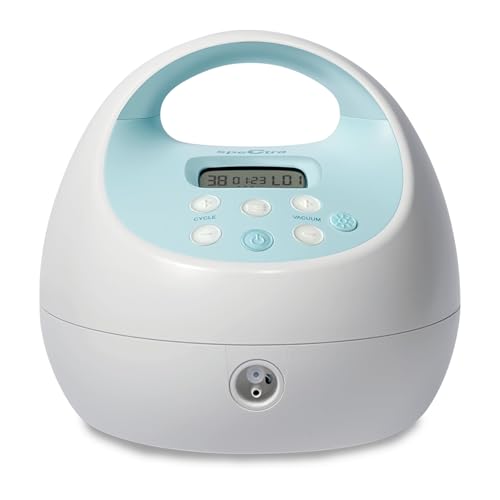
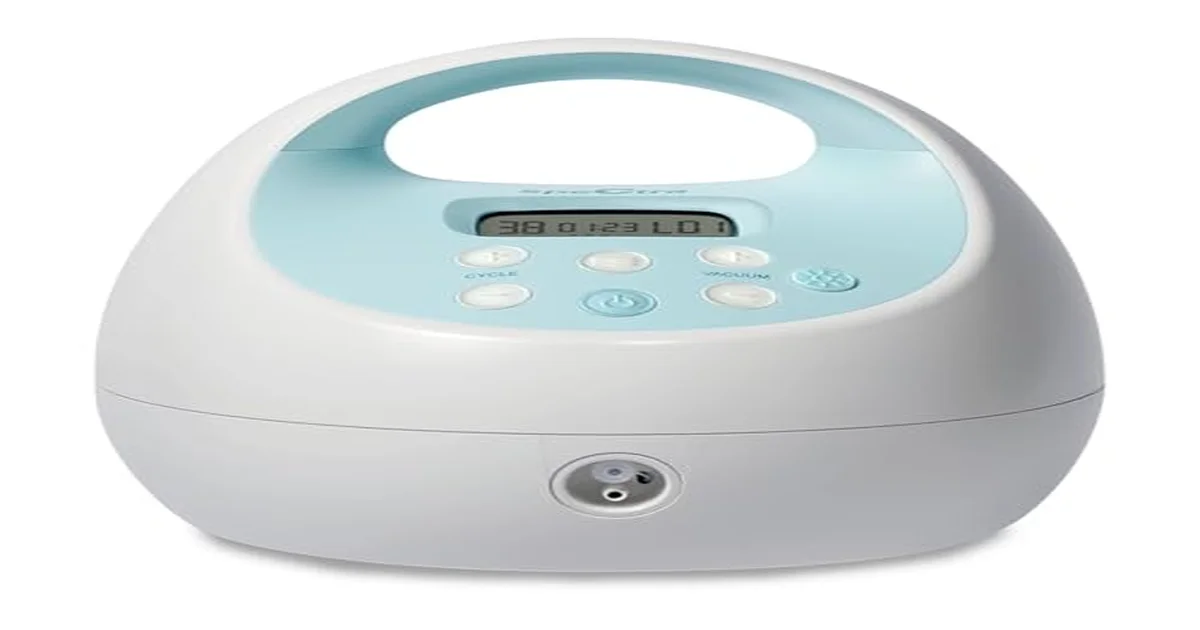
Spectra S1 Plus
Check Price on Amazon →Start With Your Pumping Goal
If you only need an occasional bottle, you probably do not need the most expensive pump. If you are returning to work, building a freezer stash, or exclusively pumping, reliability and comfort become much more important.
Ask yourself:
- Will I pump every day or only sometimes?
- Do I need to pump away from home?
- Is quiet operation important?
- Will I need to pump while working or caring for another child?
- Does my insurance cover a breast pump?
Wearable Pumps
Wearable pumps fit inside a nursing bra and let you move around while pumping. They are popular because they feel less tied to the wall and less disruptive during a busy day.
They are best for moms who need flexibility, commute, work outside the home, or want to pump while doing light tasks.
The tradeoff is that wearable pumps may not empty as strongly or consistently as a traditional electric pump for every user. Fit also matters a lot. If the flange size is wrong, output and comfort can suffer.
Electric Pumps
Traditional electric pumps are often stronger and more consistent. Many have adjustable suction, massage mode, and a closed system for hygiene.
They are best for frequent pumping, building supply, or pumping at home where portability is less important.
The downside is that they are less discreet and usually involve bottles, tubes, and a pumping bra.
Manual Pumps
Manual pumps are inexpensive and simple. They are useful as a backup, for travel, or for relieving fullness.
They are not usually the best choice for frequent daily pumping because your hand can get tired and output may be slower.
What Features Matter Most
Flange Sizing
Comfort starts with flange fit. A flange that is too small or too large can cause pain and reduce milk output. Measure before buying and check whether replacement sizes are available.
Closed System
A closed-system pump helps prevent milk from backing into tubing or the motor. This is easier to clean and generally more hygienic.
Battery Life
Battery life matters if you pump at work or on the go. Look at real parent feedback because advertised battery life can be different from daily use.
Cleaning
More parts usually mean more washing. For a pump you use multiple times a day, easy cleaning can be just as important as suction strength.
Quick Recommendation
Choose a wearable pump if freedom and portability matter most. Choose a traditional electric pump if output, consistency, and frequent pumping matter most. Many moms eventually use both: one main pump at home and one portable option for busy days.
This guide is for general education only. For feeding concerns, supply issues, pain, or latch problems, talk with a lactation consultant or healthcare professional.
Comparison Table: Breast Pump Picks
| Product | Best For | Price |
|---|---|---|
| Spectra S1 Plus | Hospital-grade electric at home | ~$160 |
| Momcozy M5 Wearable | Wearable pump best value | ~$70 |
| Medela Pump In Style | Dual-motor electric power | ~$250 |
| Lansinoh Smartpump 2.0 | Budget-friendly electric | ~$50 |
1. Spectra S1 Plus — Best Hospital-Grade Electric Pump
Specs: Single or double electric; rechargeable battery; closed system; 2-phase expression technology; multiple suction and cycle settings.
Price: ~$160
Pros:
- Hospital-grade suction in a home pump — excellent for building and maintaining supply
- Rechargeable battery means no cord required during sessions
Cons:
- Bulkier than wearable options; not ideal for pumping on the go
Who it’s for: Moms returning to work or exclusively pumping who need reliable, powerful output at home.
Affiliate Disclosure: MomBabyPicks.com participates in the Amazon Services LLC Associates Program. When you purchase through links on this page, we may earn a small commission at no additional cost to you. Our editorial recommendations are based on product research and are not influenced by affiliate relationships.
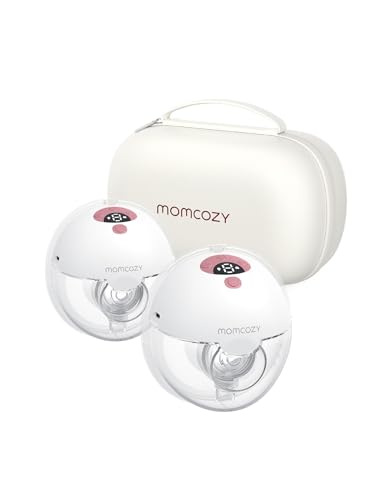
2. Momcozy M5 Wearable — Best Wearable Value
Specs: Hands-free wearable; fits inside nursing bra; 9 suction levels; 2-phase pumping; USB-C charging; 180 ml capacity per cup.
Price: ~$70
Pros:
- Strong suction for a wearable at a much lower price than premium competitors
- USB-C charging and all-day battery life suit office and travel use
Cons:
- Flange fit is critical — measure carefully before buying to get the best output
Who it’s for: Moms who need a hands-free pump for commuting or working but do not want to spend $200+ on a wearable.
Affiliate Disclosure: MomBabyPicks.com participates in the Amazon Services LLC Associates Program. When you purchase through links on this page, we may earn a small commission at no additional cost to you. Our editorial recommendations are based on product research and are not influenced by affiliate relationships.
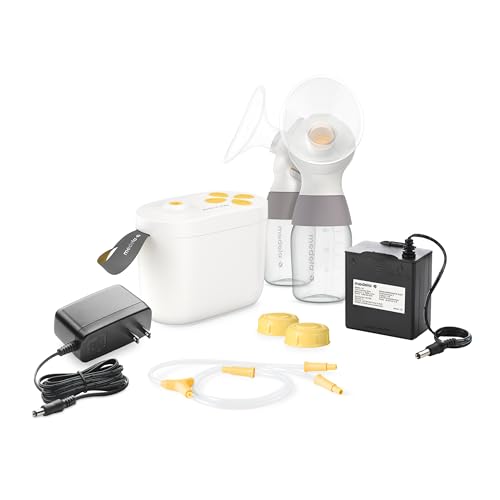
3. Medela Pump In Style — Best Dual-Motor Electric Pump
Specs: PersonalFit Flex flanges; dual motor for independent breast pumping; app connectivity; MaxFlow technology; backpack included.
Price: ~$250
Pros:
- Dual independent motors let you customize suction on each side separately
- PersonalFit Flex flanges are widely praised for comfort across multiple flange sizes
Cons:
- Premium price; may be more than occasional pumpers need
Who it’s for: Moms who pump frequently and want the most customizable, comfortable electric pump available.
Affiliate Disclosure: MomBabyPicks.com participates in the Amazon Services LLC Associates Program. When you purchase through links on this page, we may earn a small commission at no additional cost to you. Our editorial recommendations are based on product research and are not influenced by affiliate relationships.
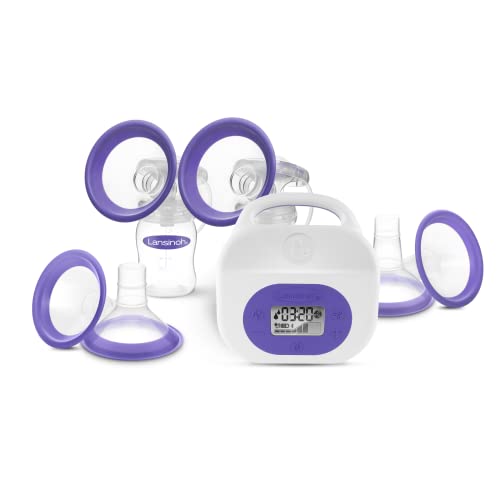
4. Lansinoh Smartpump 2.0 — Best Budget Electric Pump
Specs: Double electric; 3 pumping styles; 8 suction levels; Bluetooth app connectivity; lightweight; insurance-eligible.
Price: ~$50
Pros:
- Low price point makes it accessible for parents who want a backup or occasional pump
- Insurance-eligible through many plans — check before paying out of pocket
Cons:
- Suction is lighter than hospital-grade options; not ideal for exclusive pumping long-term
Who it’s for: Parents who pump occasionally, want a low-cost backup, or are exploring pumping before committing to a premium model.
Affiliate Disclosure: MomBabyPicks.com participates in the Amazon Services LLC Associates Program. When you purchase through links on this page, we may earn a small commission at no additional cost to you. Our editorial recommendations are based on product research and are not influenced by affiliate relationships.
FAQ
Q: Does insurance cover breast pumps? Many US insurance plans cover a breast pump under the ACA. Contact your insurer before buying — you may be able to get a pump at no cost. Lansinoh and Spectra are commonly covered brands.
Q: How do I know what flange size I need? Measure the diameter of your nipple (not the areola) in millimeters and add 3–4 mm. Most pumps come with 24 mm flanges; many women need a different size for comfort and output.
Q: Can I use a wearable pump as my only pump? Many moms do, especially if supply is established. However, if you are building supply or exclusively pumping, a hospital-grade electric pump typically provides stronger, more consistent suction.
Q: How long should a pumping session take? Most sessions last 15–20 minutes after letdown. If you are not getting letdown within the first few minutes, try massage, relaxation techniques, or consult a lactation consultant.
Q: When should I replace pump parts? Replace membranes and valves every 2–4 weeks with regular use. A sudden drop in suction is often a sign that small parts need replacing.
Related reading: Best Breast Pumps | Best Hands-Free Wearable Breast Pumps
Affiliate Disclosure: MomBabyPicks.com participates in the Amazon Services LLC Associates Program. When you purchase through links on this page, we may earn a small commission at no additional cost to you. Our editorial recommendations are based on product research and are not influenced by affiliate relationships.