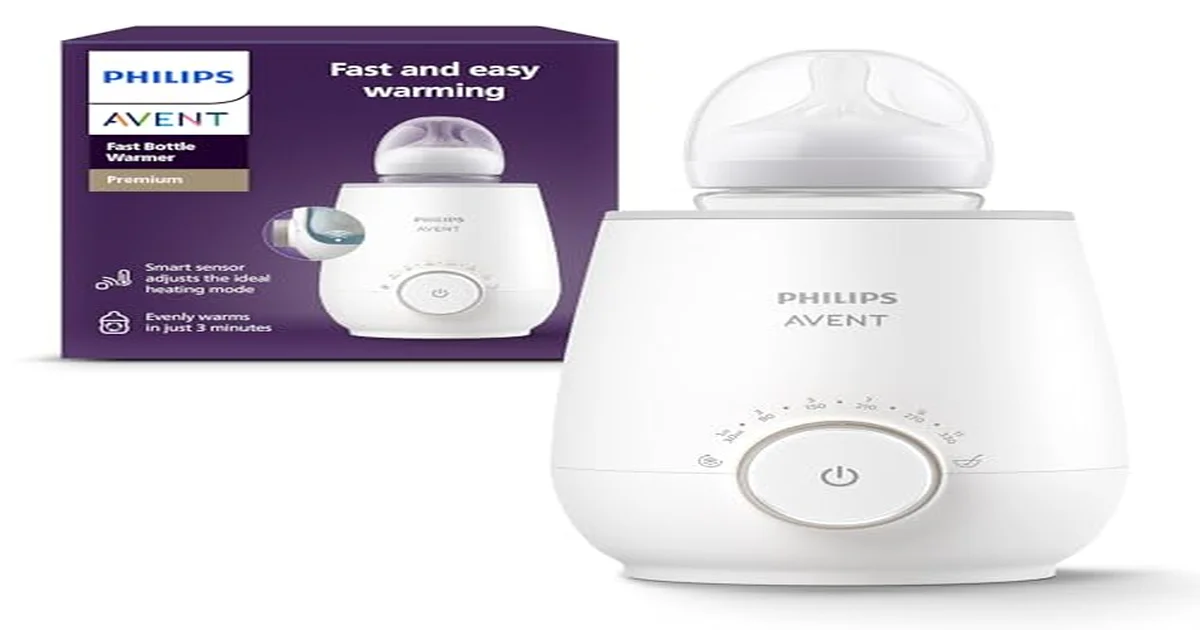
A bottle warmer can make feeding easier, especially during night feeds. But it is still important to warm milk carefully and check the temperature before offering a bottle to your baby.
The main goal is simple: warm the milk evenly without overheating it.
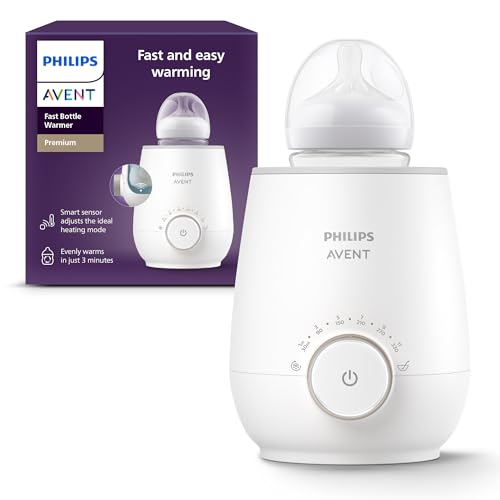
Philips Avent Fast Bottle Warmer
Check Price on Amazon →Do Not Microwave Bottles
Microwaves can create hot spots that are much hotter than the rest of the bottle. A bottle may feel comfortable on the outside while the milk inside is too hot.
Microwaving can also overheat breast milk and may reduce some of the beneficial properties parents are trying to preserve.
Use Gentle, Even Warming
Many bottle warmers use steam or a warm water bath. Warm water bath models are often preferred for breast milk because they heat more gently.
Formula-feeding parents may care more about speed and consistent temperature. Breastfeeding parents may care more about gentle warming and not overheating stored milk.
Always Swirl, Then Test
After warming, gently swirl the bottle to distribute heat. Do not shake aggressively if you are trying to avoid extra air bubbles.
Before feeding, test a few drops on the inside of your wrist. The milk should feel lukewarm, not hot.
Watch the Time
Leaving a bottle in the warmer too long can overheat the milk. Auto-shutoff is a helpful feature, especially during tired night feeds.
If a warmer has multiple settings, read the manual and start with the lower setting until you understand how it performs with your bottle type.
Bottle Compatibility Matters
Not every warmer fits every bottle. Wide-neck bottles, glass bottles, and breast milk storage bags may need different warming approaches.
Before buying, check whether the warmer fits the bottles you already plan to use.
Travel and Night Feed Tips
For night feeds, keep the warmer station simple. Put clean bottles, burp cloths, and measured formula or stored milk nearby so you are not searching for supplies while half-awake.
For travel, a portable warmer may help, but it should still be easy to clean and safe to use according to the manufacturer’s instructions.
When to Replace or Stop Using a Warmer
Stop using a bottle warmer if the cord is damaged, the unit overheats, the water chamber cracks, or it becomes difficult to clean.
Parents should also clean mineral buildup regularly, especially in areas with hard water.
Bottle warmers are convenient tools, but they do not replace common sense checks. Warm gently, test every bottle, and follow your pediatrician’s feeding guidance.
Comparison Table: Bottle Warmer Safety Picks
| Product | Best For | Price |
|---|---|---|
| Philips Avent Fast Bottle Warmer | Fast, safe warming | ~$27 |
| Kiinde Kozii | Breast milk safety | ~$55 |
| Dr. Brown’s Deluxe Bottle Warmer | Night feeds | ~$32 |
1. Philips Avent Fast Bottle Warmer — Best for Fast, Safe Warming
Specs: Heats a 5 oz bottle in 3 minutes; fits most standard and wide-neck bottles; auto-shutoff included.
Price: ~$27
Pros:
- Heats quickly and consistently with minimal guesswork
- Auto-shutoff prevents overheating during tired night feeds
Cons:
- Plastic basket can be fiddly to clean if formula residue builds up
Who it’s for: Parents who need fast, reliable warming without paying a premium.
Affiliate Disclosure: MomBabyPicks.com participates in the Amazon Services LLC Associates Program. When you purchase through links on this page, we may earn a small commission at no additional cost to you. Our editorial recommendations are based on product research and are not influenced by affiliate relationships.
2. Kiinde Kozii — Best for Breast Milk Safety
Specs: Warm water bath technology; fits most bottle sizes and Kiinde pouches; no plastic-to-milk contact during heating.
Price: ~$55
Pros:
- Warm water bath method protects nutrients in stored breast milk
- Works with breast milk pouches as well as bottles
Cons:
- Slower than steam warmers — not ideal if speed is the top priority
Who it’s for: Breastfeeding parents who store milk and want the gentlest possible warming method.

Affiliate Disclosure: MomBabyPicks.com participates in the Amazon Services LLC Associates Program. When you purchase through links on this page, we may earn a small commission at no additional cost to you. Our editorial recommendations are based on product research and are not influenced by affiliate relationships.
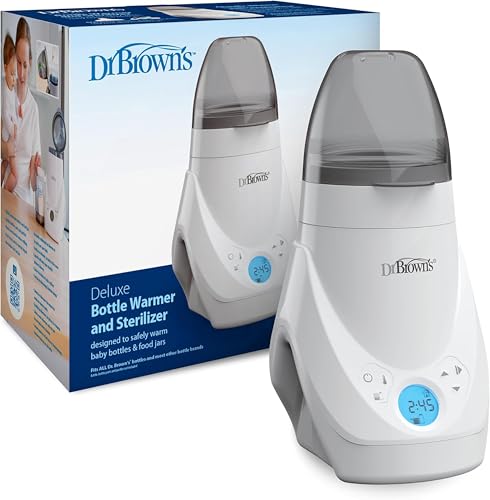
3. Dr. Brown’s Deluxe Bottle Warmer — Best for Night Feeds
Specs: Digital display; delay timer; fits Dr. Brown’s bottles and most standard bottles; adjustable basket.
Price: ~$32
Pros:
- Delay timer lets you set it up before baby wakes — milk is ready when you need it
- Digital display makes it easy to use in the dark
Cons:
- Best suited for Dr. Brown’s bottles; wider bottles may not fit as snugly
Who it’s for: Parents who do repeated night feeds and want a warmer that practically runs itself.
Affiliate Disclosure: MomBabyPicks.com participates in the Amazon Services LLC Associates Program. When you purchase through links on this page, we may earn a small commission at no additional cost to you. Our editorial recommendations are based on product research and are not influenced by affiliate relationships.
FAQ
Q: Is it safe to warm breast milk in a bottle warmer every day? Yes. A quality bottle warmer set to the correct setting is safe for daily use. Always swirl and test the milk temperature before feeding.
Q: What temperature should warmed breast milk be? Aim for body temperature — around 98–99°F (37°C). The milk should feel lukewarm, not hot, on the inside of your wrist.
Q: Can I reuse warmed breast milk? No. Once warmed, breast milk should be used within two hours and should not be re-warmed. Discard any leftover milk after the feed.
Q: Do I need a bottle warmer or can I just use warm water? A bowl of warm tap water works fine and many parents use it successfully. A warmer simply adds consistency and convenience, especially overnight.
Q: Are all bottle warmers compatible with all bottles? No. Check the warmer’s listed compatible bottle sizes before buying. Wide-neck bottles and glass bottles may not fit every model.
Related reading: Best Bottle Warmers for 2026 | Newborn Feeding Essentials
Affiliate Disclosure: MomBabyPicks.com participates in the Amazon Services LLC Associates Program. When you purchase through links on this page, we may earn a small commission at no additional cost to you. Our editorial recommendations are based on product research and are not influenced by affiliate relationships.