Affiliate Disclosure: MomBabyPicks.com participates in the Amazon Services LLC Associates Program. When you purchase through links on this page, we may earn a small commission at no additional cost to you. Our editorial recommendations are based on product research and are not influenced by affiliate relationships.
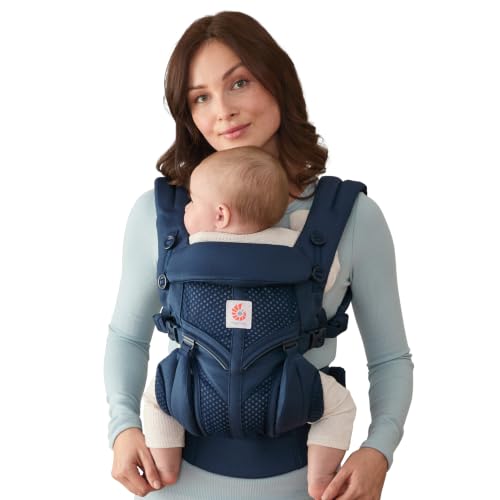
Ergobaby Omni 360
Check Price on Amazon →Introduction
Baby carriers are one of the most polarizing categories in baby gear. Some parents swear by them; others buy one, struggle with it for a week, and shove it in a closet. The difference is almost always fit and type. The right carrier for a petite parent doing weekend errands is entirely different from what works for a large-framed parent commuting by transit with a 4-month-old.
This guide covers five carriers worth your money in 2026 — from structured carriers for all-day comfort to stretchy wraps for newborn snuggles — and gives you a clear picture of what each one actually does well.
If you’re still building out your baby gear list, check our newborn essentials checklist and the best baby bouncers for 2026 for when you need hands-free time at home.
Quick Picks At A Glance
The best carrier depends on your body, your lifestyle, and your baby's age. Start here.
Best All-Around
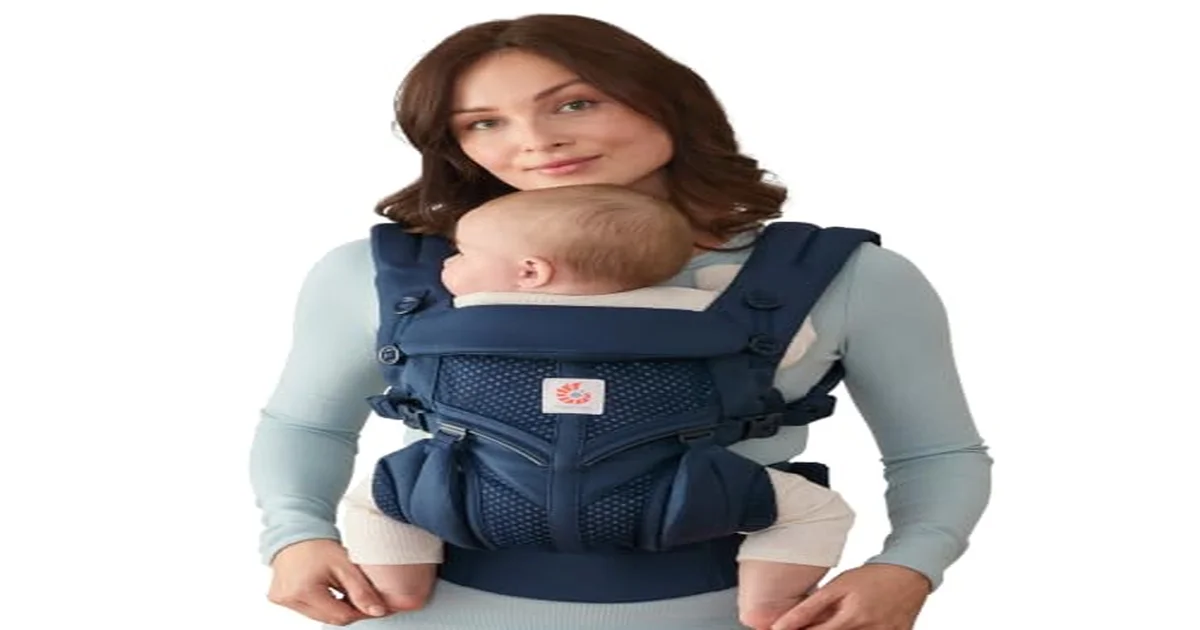
Ergobaby Omni 360
Four carry positions, ergonomic design, and newborn-ready with an included infant insert.
Best Newborn Wrap
Solly Baby Wrap
Ultra-soft stretchy wrap for close newborn carries. Simple, lightweight, and parent-tested.
Best for Long-Term Use
Lillebaby Complete
Six carry positions and fits the widest range of parent body types without needing an insert.
Best Budget SSC
Infantino Flip 4-in-1
Structured carrier under $35 that's newborn-ready and covers four carry positions.
How We Selected These Carriers
We evaluated carriers on: ergonomic positioning (M-position / frog-leg seat for hip development, per the International Hip Dysplasia Institute guidelines), weight range (newborn through toddler), parent comfort (shoulder and lumbar support for extended carry), ease of getting on and off alone (without a second person), washability, and safety certifications (Hip-Healthy certification from the IHDI where applicable). We did not include carriers with unresolved safety recalls.
Comparison Table
| Carrier | Type | Weight Range | Carry Positions | Best For | Newborn Ready? | Price |
|---|---|---|---|---|---|---|
| Ergobaby Omni 360 | SSC | 7–45 lbs | 4 (front, back, hip, front-facing) | Versatility | Yes (with insert) | ~$195 |
| Lillebaby Complete | SSC | 7–45 lbs | 6 positions | Long-term use | Yes | ~$140 |
| Solly Baby Wrap | Stretchy wrap | 8–25 lbs | 1–2 | Newborn snuggles | Yes | ~$68 |
| Tula Free-to-Grow | SSC | 7–45 lbs | 3 positions | Simplicity | Yes (no insert needed) | ~$145 |
| Infantino Flip 4-in-1 | SSC | 8–32 lbs | 4 positions | Budget | Yes | ~$32 |
1. Ergobaby Omni 360 — Best All-Around Carrier
The Ergobaby Omni 360 is consistently one of the best-reviewed structured carriers for good reason: it covers four carry positions (front inward, front outward, hip, and back), fits newborns without a separate insert (the seat narrows via a snap), and includes lumbar support for the wearing parent. The padded waistband distributes the baby’s weight across the hips and lower back, which makes a meaningful difference during carries longer than 30 minutes.
The Omni 360 holds babies from 7 lbs to 45 lbs and is certified hip-healthy by the International Hip Dysplasia Institute. The carrier is machine-washable. It’s not the cheapest option, but the combination of newborn readiness, multiple carry positions, and all-day comfort makes it the most versatile single-carrier solution on this list.
Pros:
- Four carry positions including front-facing outward
- Newborn ready without a separate insert
- Padded waistband with lumbar support for parent comfort
- IHDI hip-healthy certified
- Machine-washable
- Holds babies from 7 lbs to 45 lbs
Cons:
- Higher price point
- More buckles than simple carriers — learning curve for first-time wearers
- Bulkier to pack than wraps
Who it’s for: Parents who want one carrier that works from newborn through toddler and covers multiple carry positions, especially those planning to wear regularly and want all-day comfort.
2. Lillebaby Complete All Seasons — Best for Extended Wearing
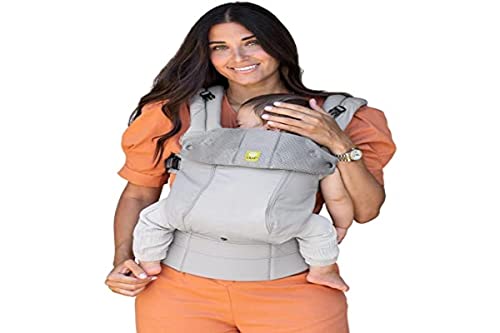
The Lillebaby Complete All Seasons supports six carry positions, which is more than any other carrier on this list, and includes a unique lumbar support panel that can be extended or collapsed. The “All Seasons” version has a zip-away panel in the front that provides ventilation for warm weather — a practical detail that most carriers don’t address.
It holds babies from 7 lbs to 45 lbs without a separate insert. The wide padded waistband and adjustable back panel make it one of the most comfortable all-day options for a range of parent body types.
Pros:
- Six carry positions — the most on this list
- Zip-away ventilation panel for warm weather
- Extended lumbar support panel
- Newborn ready from 7 lbs (no insert needed)
- Machine-washable
Cons:
- More adjustments than simpler carriers — steeper learning curve
- Higher price point
- Bulkier than basic SSCs when packed
Who it’s for: Parents who plan to wear frequently through all seasons, want maximum position variety, and prioritize long-term comfort over simplicity.
3. Solly Baby Wrap — Best for Newborns
The Solly Baby Wrap is a stretchy wrap carrier made from TENCEL modal fabric — noticeably softer and lighter than most jersey wraps. It’s the closest thing to wearing your baby in a piece of fabric, which is exactly what newborn parents often want. The hold is close, the learning curve is moderate (there are good video tutorials), and newborns consistently settle well in it.
Weight range is 8 lbs to 25 lbs, which means you’ll outgrow it before baby hits toddlerhood — this is a newborn-phase carrier, not a long-term solution. But for the first 4–6 months, many parents find it irreplaceable. It’s machine-washable and comes in many colors.
Pros:
- Extremely soft TENCEL modal fabric — comfortable for newborn skin
- Close, cozy hold ideal for the fourth trimester
- Machine-washable
- No buckles — seamless hold once learned
- Good for frequent short carries
Cons:
- 25 lb weight limit — outgrown relatively quickly
- Wrapping technique has a learning curve
- Not suitable for back carries
- Long fabric can drag on the ground while putting it on
Who it’s for: Newborn parents who want maximum skin-to-skin closeness in the first few months and don’t mind a short learning curve for the wrap technique.

4. Tula Free-to-Grow — Best for Simplicity
The Tula Free-to-Grow is designed to be genuinely newborn-ready without inserts, extra snaps, or configuration steps. The seat narrows via a built-in tightening system, and the headrest rolls down for young babies and rolls up for older ones. For parents who want a structured carrier that’s as close to “just put it on” as possible, this is the one.
It holds babies from 7 lbs to 45 lbs across three carry positions (front inward, back, and hip). The padded waistband provides hip-distributed weight. The carrier is machine-washable and IHDI hip-healthy certified.
Pros:
- Newborn ready from 7 lbs with no insert required
- Minimal adjustments — easier than most SSCs to learn
- IHDI hip-healthy certified
- Machine-washable
- Holds up to 45 lbs
Cons:
- Three carry positions (no front-facing outward)
- Higher price than entry-level structured carriers
- Not as customizable for different body types as some competitors
Who it’s for: Parents who want a quality structured carrier with minimal setup complexity — especially good for one parent households where every step of the process needs to be manageable solo.

5. Infantino Flip 4-in-1 — Best Budget Carrier
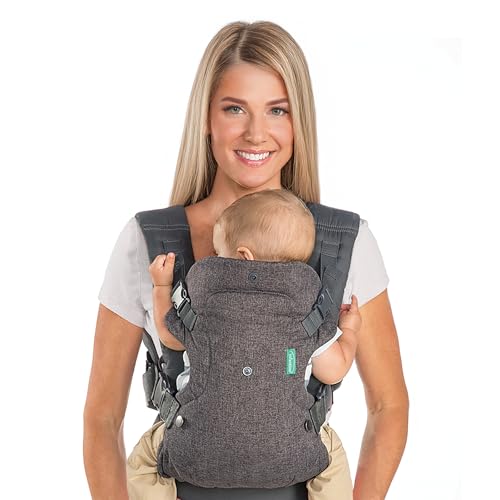
The Infantino Flip 4-in-1 is the honest budget pick for parents who need a functional structured carrier without spending $100+. It covers four carry positions, holds babies from 8 lbs to 32 lbs, and includes an infant insert for newborns. Padding is thinner than premium carriers, and the weight distribution isn’t as refined — but for occasional use or parents who aren’t sure how much they’ll wear, it’s a reasonable starting point.
The carrier is machine-washable.
Pros:
- Very affordable — the lowest price on this list
- Four carry positions
- Includes infant insert for newborns
- Machine-washable
Cons:
- Thinner padding than premium carriers — less comfortable for extended wear
- 32 lb weight limit — shorter useful lifespan
- Less refined weight distribution
Who it’s for: Budget-conscious parents, grandparents who want a carrier for occasional use, or parents testing whether babywearing works for them before committing to a premium carrier.
Babywearing Safety Guidelines
Babywearing is safe when done correctly. Follow the TICKS framework:
- T — Tight: carrier should be snug, not saggy
- I — In view at all times: see baby’s face without moving fabric
- C — Close enough to kiss: baby’s head near your chin
- K — Keep chin off chest: ensure airway is open (chin-to-chest can restrict breathing)
- S — Supported back: baby’s back is supported in a natural curve, not slumped
Never use a carrier while driving, cycling, cooking over heat, or doing activities where a fall is possible. For babies under 4 months or premature infants, consult your pediatrician before babywearing.
The IHDI (International Hip Dysplasia Institute) recommends carriers that keep baby’s legs in an “M” shape — knees higher than hips, and thighs supported. All carriers on this list support proper hip positioning.
Frequently Asked Questions
At what age can I start using a baby carrier? Most structured carriers and stretchy wraps support babies from 7–8 lbs, which is typically newborn weight for full-term babies. Always check the minimum weight for your specific carrier. For premature babies, consult your pediatrician.
What is the M-position and why does it matter? The M-position (also called the frog-leg position) keeps baby’s knees higher than their hips and their thighs spread around the carrier, creating an “M” shape when viewed from the front. This position is recommended by the International Hip Dysplasia Institute because it supports healthy hip socket development in infants.
How long can I wear my baby in a carrier? There is no fixed limit, but most babywearing educators recommend checking in with baby’s position every 15–20 minutes, especially for newborns. Watch for signs of overheating, chin-to-chest position, or visible discomfort.
Can both parents use the same carrier? Structured carriers (SSCs) like the Ergobaby Omni 360 and Lillebaby are adjustable and can typically be shared between parents of different sizes. Stretchy wraps like the Solly are universal but require separate tying each time.
What is the weight limit on baby carriers? It varies by carrier. Most structured carriers on this list hold babies from 7–8 lbs up to 32–45 lbs. Stretchy wraps typically max out at 25 lbs. Check the manufacturer’s stated limits for your specific carrier.
Bottom Line
The Ergobaby Omni 360 is the best all-around investment for parents who want one carrier to cover the full range from newborn through toddler. The Lillebaby Complete is the top pick if you expect to wear frequently across all seasons and want maximum flexibility. For the pure newborn stage, nothing beats the closeness of the Solly Baby Wrap. The Tula Free-to-Grow is the best pick for parents who want simplicity above all else. And the Infantino Flip 4-in-1 is the sensible choice if you need a carrier on a tight budget or aren’t sure babywearing is for you yet.
For more on building out your baby’s first months, see our newborn essentials checklist and our guide to what NOT to buy for a newborn.
Affiliate Disclosure: MomBabyPicks.com participates in the Amazon Services LLC Associates Program. When you purchase through links on this page, we may earn a small commission at no additional cost to you. Our editorial recommendations are based on product research and are not influenced by affiliate relationships.